
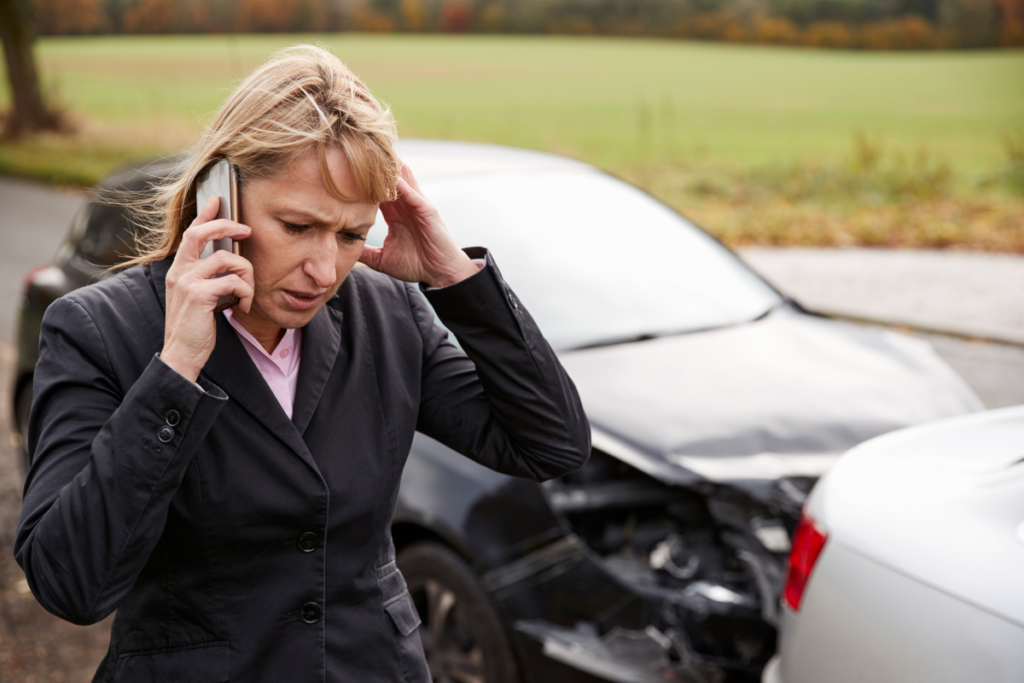
A car accident can leave you dealing with pain, medical appointments, vehicle damage, and insurance calls all at once. If you are looking for a car accident lawyer Burbank residents can turn to, you may also be wondering what you should do first. The steps you take after a crash can help you preserve important information about what happened. This guide explains what to do after a California car accident, what information to document, how insurance may become involved, and when talking with an attorney may make sense. It also explains what to consider if your injuries include a traumatic brain injury or another serious condition.
What Should You Do Immediately After a Car Accident in Burbank?
The first priority after any crash is safety. If anyone is seriously injured, call 911 and seek emergency medical assistance. If it is safe to do so, move your vehicle out of traffic and follow instructions from emergency responders.
California DMV guidance says drivers involved in a collision must stop and provide required identification, registration, and insurance information. When injuries are involved, contacting law enforcement is also important.
Once immediate safety concerns are handled, try to preserve information about the collision.
Start by documenting the scene
If your condition and the circumstances allow, consider documenting:
- The position and condition of the vehicles
- Damage to your vehicle and the other vehicles
- Traffic signals, signs, and road conditions
- Visible injuries
- Skid marks or debris
- Nearby businesses or cameras that may have recorded the collision
- Names and contact information for witnesses
- The other driver’s insurance and vehicle information
A few clear photographs can sometimes provide useful context later when memories become less precise.
For example, imagine a driver is struck at an intersection in Burbank and believes the other vehicle ran a red light. A photograph showing the intersection layout, traffic signals, vehicle positions, and nearby businesses may provide useful context when the accident is later investigated.
If you are overwhelmed or physically unable to document the scene, focus on your health first.
If you were injured and are unsure what information you should preserve, consider speaking with the Law Office of Egishe Avetisian about your situation.
What Information Should You Gather After a California Car Accident?
After a crash, it is easy to focus only on vehicle damage. However, information about your injuries, treatment, lost time from work, and the circumstances of the collision may also become important.
Create a simple accident file and keep relevant records together.
This can include:
- Police or collision reports
- Medical records and bills
- Prescription information
- Photographs of injuries
- Vehicle repair estimates
- Insurance correspondence
- Witness contact information
- Photographs and videos from the scene
- Records showing missed work or other documented losses
California’s Department of Insurance recommends reporting an accident promptly to law enforcement and your insurance company and keeping relevant information about the collision and your losses.
Do not overlook symptoms that appear later
Some injuries may not be obvious immediately after a collision. Headaches, dizziness, confusion, memory problems, neck pain, or other symptoms should not simply be ignored.
A traumatic brain injury, for example, can occur when the head experiences a blow, jolt, or other force. If you are experiencing possible symptoms after a crash, seek appropriate medical evaluation.
You can learn more about these injuries on our page about traumatic brain injury after an accident.
A simple example is a driver who feels shaken but otherwise fine immediately after a collision and develops persistent headaches or difficulty concentrating the next day. Keeping medical records and explaining the symptoms to a healthcare professional can help document what happened.
How Does Insurance Work After a Car Accident?
Insurance can become one of the most confusing parts of a collision.
You may have to communicate with your own insurer, the other driver’s insurer, or both. An insurance adjuster may ask questions about the accident, investigate the circumstances, and evaluate property damage and other losses.
An insurance adjuster is a person who investigates and evaluates an insurance claim on behalf of an insurance company.
California requires drivers to maintain financial responsibility for vehicles. Current California DMV guidance lists minimum liability coverage requirements of $30,000 for injury or death to one person, $60,000 for injury or death to two or more people, and $15,000 for property damage.
However, the amount of insurance available in a particular accident depends on the policies and circumstances involved.
Be careful when discussing fault
After an accident, you may be asked what happened.
Give accurate information, but avoid guessing about facts you do not know. You do not need to determine the legal outcome of the accident yourself at the scene.
California follows a comparative negligence system. In simple terms, responsibility for an injury can be divided according to the parties’ respective contributions to the accident.
For example, suppose two drivers contributed to a collision in different ways. The fact that one driver may have made a mistake does not automatically answer every question about responsibility. The specific facts and available evidence matter.
The California Supreme Court established California’s pure comparative negligence approach in Li v. Yellow Cab Co..
When Should You Speak With a Car Accident Lawyer in Burbank?
Not every minor collision requires an attorney.
However, speaking with a car accident attorney Burbank residents can consult may be useful when the accident involves significant injuries, disputed responsibility, complicated insurance issues, or substantial losses.
Consider getting legal guidance if:
- You suffered significant or ongoing injuries.
- The other driver disputes responsibility.
- Multiple vehicles were involved.
- The insurance company disputes your claim.
- Your injuries may affect your ability to work.
- You suffered a possible traumatic brain injury.
- Your injuries require extensive or continuing treatment.
- The available insurance coverage is unclear.
- A death occurred as a result of the collision.
A consultation does not mean you have to pursue a lawsuit. It can simply give you an opportunity to understand the issues involved and decide what steps make sense for your circumstances.
If you are uncertain about your options after a Burbank collision, you can request a free consultation with the Law Office of Egishe Avetisian.
What California Reporting Requirements Should You Know?
California has specific requirements for reporting certain collisions.
According to the California DMV, a driver must file a Report of Traffic Accident Occurring in California, commonly called an SR-1, within 10 days when the accident results in an injury or death or property damage exceeding $1,000.
The SR-1 requirement is separate from reports made to law enforcement or an insurance company.
That distinction matters because some people assume that filing a police report automatically satisfies the DMV requirement. It does not.
Example: A collision with relatively minor vehicle damage
Imagine a Burbank driver is involved in a collision that initially seems minor. The driver later discovers that the vehicle sustained more than $1,000 in damage and that another person reported an injury.
The driver should not assume that the matter is finished simply because the vehicles were moved and insurance information was exchanged. California’s reporting requirements may still apply.
Because reporting obligations can have consequences, verify the current requirements with the California DMV or obtain legal guidance when you are unsure.
What If Your Accident Caused a Serious Injury?
A car accident can cause injuries ranging from temporary soreness to conditions that affect someone’s daily life for months or longer.
Serious injuries may include:
- Traumatic brain injuries
- Spinal cord injuries
- Broken bones
- Internal injuries
- Nerve damage
- Permanent disabilities
- Severe soft-tissue injuries
The impact is not always limited to medical treatment.
A serious injury can affect work, transportation, family responsibilities, physical activities, and everyday routines. That is why documenting the injury and its effects can be important.
For example, someone who suffers a traumatic brain injury may need more than an emergency-room visit. Follow-up appointments, diagnostic testing, therapy, and changes in work or daily activities may become part of the person’s recovery.
If your accident involved a serious injury, our traumatic brain injury provides additional information about this type of injury.
What If the Accident Happened While You Were Walking or on Someone Else’s Property?
Not every injury involving a vehicle happens inside a vehicle.
A person may be injured as a pedestrian, while entering a business, or after falling because of a dangerous condition. These situations can involve different legal issues from a standard vehicle collision.
For example, if someone trips over a dangerous condition at a business after leaving a vehicle, the circumstances may raise premises liability questions.
Premises liability refers to the legal responsibility that may arise when unsafe property conditions cause an injury.
If your injury involved a fall or dangerous property condition rather than a traditional vehicle collision, you can review our slip and fall injury information for additional information.
The important point is to identify what actually caused the injury. Different causes can involve different evidence, insurance policies, and legal rules.
When Is It Time to Contact a Car Accident Attorney?
Consider speaking with an attorney when you have questions that you cannot comfortably resolve on your own.
You may want legal guidance particularly when an insurance company disputes responsibility, your injuries are significant, or the long-term effects of the accident are still unclear.
A car accident attorney Burbank residents consult can review the circumstances of the collision, the available documentation, and the issues affecting your claim.
Before a consultation, gather whatever information you already have. You do not need to have a perfectly organized case file.
Useful materials may include:
- Accident reports
- Insurance information
- Medical records
- Photographs
- Vehicle damage documentation
- Witness information
- Insurance letters or emails
The goal is to give the attorney enough information to understand what happened and identify the issues that may require further investigation.
If you have questions about an accident and want to understand your options, request a free consultation with the Law Office of Egishe Avetisian.
Frequently Asked Questions About Car Accidents in Burbank
What should I do first after a car accident in Burbank?
Make safety your first priority. Call 911 when someone is injured or an emergency response is needed. Exchange required information, document the scene when it is safe, seek appropriate medical attention, and notify your insurance company. California also has specific DMV reporting requirements for certain collisions.
Do I need a car accident lawyer for a minor accident?
Not necessarily. A minor collision with no significant injuries and no dispute over responsibility may be handled through the normal insurance process. However, if symptoms develop, responsibility becomes disputed, or the insurance issues become complicated, speaking with a car accident attorney can help you understand your options.
What if I was partly responsible for the California car accident?
California uses a comparative negligence system. In general, a person’s recovery can be reduced according to the share of responsibility attributed to that person. The exact application depends on the facts and legal issues involved, so an attorney can help evaluate disputed responsibility.
How long do I have to report a car accident to the California DMV?
The California DMV states that an SR-1 report generally must be submitted within 10 days when a collision causes an injury or death or more than $1,000 in property damage. The SR-1 is separate from reports made to police, CHP, or an insurance company.
What if I feel fine immediately after the accident?
Some symptoms may appear later, particularly after certain types of trauma. If you develop pain, headaches, dizziness, confusion, or other concerning symptoms, seek appropriate medical attention. Keep records of your symptoms and treatment so there is a clear record of what occurred after the collision.
Related Articles
- What to Know About Truck Accident Claims in Burbank
- What Happens After an Uber or Lyft Accident in Burbank?
- What Is Considered a Catastrophic Injury After an Accident?
Conclusion: Know Your Next Step After a Burbank Car Accident
After a car accident, you do not need to solve every legal and insurance question immediately. Start with safety, medical care, accurate documentation, and understanding your reporting and insurance responsibilities.
If your injuries are significant, responsibility is disputed, or the insurance process becomes difficult to navigate, speaking with a car accident lawyer Burbank residents can consult may help you understand your options.
Get a Free Consultation
If you were injured in a California car accident, the Law Office of Egishe Avetisian can review the circumstances of your accident and discuss the legal options that may be available to you.