
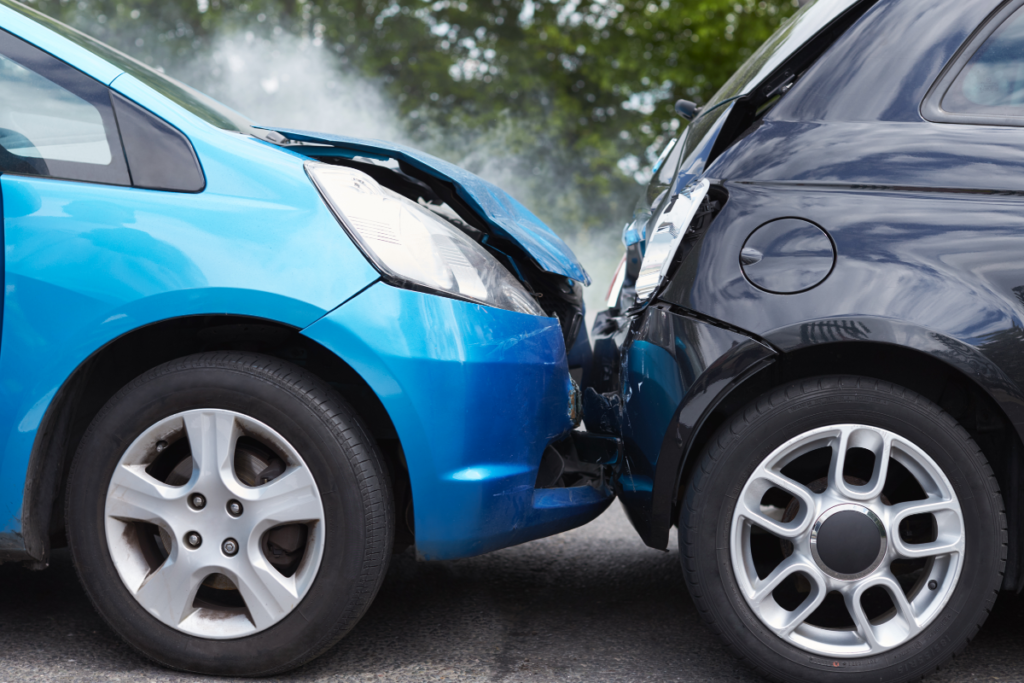
A rear-end collision can leave you facing vehicle repairs, medical appointments, missed work, and questions about who should pay. If you are searching for a rear-end accident lawyer Burbank residents can consult, you may be unsure whether the driver behind you is automatically responsible or what happens if the insurance company disagrees. California law considers the circumstances of the crash, the evidence, and each driver’s actions. This guide explains how rear-end accident liability works, which records may support your claim, what to know about insurance, and when speaking with a lawyer may help you understand your options.
1. Is the Rear Driver Always at Fault in a California Rear-End Collision?
The driver who hits another vehicle from behind may be responsible if they failed to drive with reasonable care. For example, following too closely, driving too fast for traffic, or failing to brake in time may support a finding of negligence.
Negligence means failing to use the level of care a reasonably careful person would use under similar circumstances. However, a rear-end collision does not automatically mean the rear driver is entirely responsible in every case.
What evidence helps establish fault?
An insurance company or court may consider:
- Where the vehicles were positioned before and after impact.
- Whether either driver was speeding, distracted, or following too closely.
- Traffic signals, road conditions, and visibility.
- Statements from drivers and independent witnesses.
- Photographs, available video, and collision reports.
For example, imagine your vehicle is stopped in traffic in Burbank when another car strikes it from behind. Photos of the vehicle damage and surrounding traffic, together with witness accounts, may help establish what happened. The evidence must be assessed as a whole.
What if both drivers contributed to the crash?
California follows comparative-fault principles. This means responsibility can be divided among parties, and an injured person’s damages may be reduced according to their share of fault.
A driver who believes they may have contributed to a collision should not assume they have no legal options. The effect of shared responsibility depends on the evidence and applicable law.
If you are unsure how fault may affect your situation, explore the firm’s car accident legal services in Burbank or request a consultation to discuss your circumstances.
2. What Should You Do After a Rear-End Accident in Burbank?
After a crash, it can be difficult to know what to handle first. Focus on safety and medical needs, then preserve information that may help explain the collision.
Consider these practical steps:
- Check for injuries and immediate danger. Call emergency services if someone is seriously hurt. Move to a safe location if it is possible to do so safely.
- Exchange required information. Obtain the other driver’s contact and insurance details, along with vehicle information.
- Document the scene. When safe, photograph vehicle damage, road conditions, traffic signs, and the positions of the vehicles.
- Collect witness information. Ask witnesses for their names and contact details if they are willing to share them.
- Report the collision as required. Notify your insurer and check whether a police report or California DMV report is necessary.
- Keep relevant records. Save medical paperwork, repair estimates, receipts, and insurance communications.
The California Department of Insurance recommends gathering driver and witness details, photographing the scene, and notifying your insurance company. Its accident guidance provides additional practical steps.
Example: If you did not take photographs at the scene, you may still have other useful evidence, such as repair estimates, witness information, or available surveillance footage. Start collecting what is available rather than assuming you have lost the opportunity to support your account.
Have questions about the next step? The Law Office of Egishe Avetisian can discuss your situation and explain what information may be useful during a free consultation.
3. What Evidence Can Support a Rear-End Accident Claim?
A rear-end accident claim may seek compensation for losses caused by a collision when another party is legally responsible. Evidence helps show how the crash occurred, whether someone was negligent, and what losses followed.
Useful records may include:
- Photographs and videos: Vehicle damage, road conditions, traffic controls, and the scene.
- Collision or police reports: These may document observations, statements, and other details from the investigation.
- Witness statements: Independent accounts may help clarify the sequence of events.
- Medical records: These may document symptoms, diagnoses, treatment, and medical recommendations.
- Repair estimates and receipts: These can help establish vehicle-related expenses.
- Work and income records: Depending on the claim, these may help document time missed from work or lost income.
- Insurance correspondence: Keep claim numbers, letters, estimates, and messages in one place.
No single record guarantees a successful claim. The strength of the evidence depends on the circumstances and how well the records support the issues being disputed.
How can you organize your evidence?
Create a folder with the date of the collision, photographs, medical paperwork, repair documents, witness details, and insurer communications. Keep original files where possible and avoid editing photographs in ways that change what they show.
For example, if an insurer questions the extent of your vehicle damage, a repair estimate and photographs may help document the physical damage. Medical records would address a different question: whether you sustained an injury and what care was provided.
If a business or nearby vehicle may have recorded the crash, consider asking promptly whether footage is available because recordings may not be retained indefinitely.
4. How Do Insurance Companies Evaluate a Rear-End Accident Claim?
After a rear-end crash, insurance companies may review liability, available coverage, vehicle damage, and any reported injuries. An adjuster, the person who investigates and evaluates an insurance claim—may ask for photographs, repair estimates, statements, and supporting documents.
You can help keep the process organized by responding accurately, retaining copies of documents, and asking questions when a request is unclear. Review your own policy so you understand its reporting requirements and relevant coverage.
What if the insurer disputes fault or injuries?
An insurer may argue that its driver was not responsible, that both drivers contributed, or that some reported losses are not supported by the available evidence. The response depends on the reason for the dispute.
For example, suppose an insurer argues that a collision caused only minor vehicle damage. Photographs and repair records may help establish the damage, while medical records and appropriate professional assessments may be relevant to an injury claim. The evidence needs to address the particular issue being questioned.
Be careful about accepting a settlement before you understand what it covers. A settlement agreement may require you to release claims related to the crash, so consider getting legal advice if you are uncertain about the terms or the future needs involved.
A rear-end accident lawyer in Burbank may be able to review the evidence, explain the claims process, and discuss options when fault, coverage, or the value of a claim is disputed.
Need help understanding an insurance decision? You can request a consultation with the firm to discuss the circumstances and questions you want answered.
5. What If You Develop Neck Pain, Back Pain, or Head-Injury Symptoms?
A rear-end collision can affect your health as well as your vehicle. Some people experience soreness, stiffness, headaches, dizziness, or other symptoms after a crash, but the nature and seriousness of an injury vary.
Seek medical attention if you are injured or develop concerning symptoms. If you experience severe or sudden symptoms, or believe you may have a medical emergency, seek emergency care.
Can a rear-end crash cause a traumatic brain injury?
A traumatic brain injury (TBI) is an injury that affects how the brain functions. A head impact is not the only possible mechanism of injury, so symptoms following a collision deserve appropriate medical evaluation.
Possible symptoms can include confusion, dizziness, persistent headaches, memory difficulties, or changes in concentration. These symptoms can have different causes; a qualified healthcare professional can evaluate them and recommend care.
Keep a record of when symptoms began and any medical appointments or treatment. Do not delay care to collect evidence or contact a lawyer.
For additional information about a related injury practice area, visit the firm’s page on traumatic brain injury and head injury claims if relevant to your circumstances.
6. What California Reporting Rules and Deadlines Should You Know?
Reporting an accident to your insurer, contacting law enforcement, and filing a report with the California Department of Motor Vehicles are different steps. Completing one does not necessarily satisfy the others.
The California DMV states that an SR-1 report generally must be submitted within 10 days when a crash results in an injury or death, or property damage exceeding $1,000. The requirement applies regardless of who caused the collision, and the report is separate from a police or insurance report. Check the DMV’s current SR-1 reporting instructions for details.
There may also be legal deadlines for filing a lawsuit. The applicable time limit can depend on the type of claim, the parties involved, and other facts, so do not rely on an insurance claim or DMV report to extend a lawsuit deadline.
Example: A driver might notify an insurance company on the day of the crash but still need to file a separate DMV report. A checklist of reporting requirements can help prevent one task from being mistaken for another.
If you are unsure which requirements apply, consider speaking with a California attorney promptly.
7. When Should You Contact a Rear-End Accident Lawyer in Burbank?
Not every rear-end collision requires legal representation. If there are no injuries, the damage is minor, and the insurance process is straightforward, you may decide to handle the matter yourself.
Legal guidance may be worth considering when:
- You have injuries or need continuing medical care.
- The insurer disputes fault or says you share responsibility.
- You are asked to accept a settlement you do not fully understand.
- Your injuries affect your ability to work or manage daily activities.
- The crash involved a commercial vehicle or a potentially responsible employer.
- You have questions about evidence, reporting requirements, or lawsuit deadlines.
A collision involving a commercial truck may raise additional questions about the driver, vehicle owner, employer, and other potentially responsible parties. If that applies, review the firm’s truck accident legal services.
A rear-end crash involving a motorcycle can also raise distinct questions about visibility, impact, and injury evidence. The firm’s motorcycle accident legal services may be relevant to those circumstances.
A consultation is an opportunity to explain what happened, ask questions, and understand potential next steps. You do not need to know every legal term or have every document ready before asking for information.
Frequently Asked Questions
Is the rear driver always at fault in a California rear-end collision?
No. The rear driver may be responsible if the evidence shows they failed to drive with reasonable care, but fault depends on the circumstances. Investigators may consider following distance, speed, traffic conditions, witness accounts, and each driver’s actions. In some cases, responsibility may be shared.
What evidence is most useful for a rear-end accident claim?
Useful evidence may include photographs, witness information, collision reports, repair estimates, medical records, and insurance correspondence. The most relevant evidence depends on what is disputed. Keep original records where possible and organize them by date so you can explain the sequence of events clearly.
Can I pursue a claim if I was partly at fault?
Possibly. California’s comparative-fault principles generally allow responsibility to be divided among parties, and an injured person’s damages may be reduced according to their share of fault. Whether a claim is available and how the rules affect it depend on the evidence and applicable law.
How long do I have to report a rear-end crash in California?
The DMV generally requires an SR-1 report within 10 days if a collision causes injury or death, or property damage exceeding $1,000. This is separate from notifying your insurer or filing a police report. Other legal deadlines may apply to lawsuits, so check the current rules promptly.
Should I speak with a lawyer before accepting an insurance settlement?
Consider getting legal advice if you have injuries, disputed liability, ongoing treatment, or questions about what the settlement releases. Settlement terms can affect your ability to pursue further compensation for the same incident. Make sure you understand the agreement and the losses it covers before deciding.
Understand Your Options After a Rear-End Collision
A rear-end crash can raise difficult questions about fault, insurance, evidence, and injuries. Focus on your health, preserve the records available to you, and make sure you understand the reporting requirements and any relevant deadlines.
If you are looking for a rear-end accident lawyer in Burbank, the Law Office of Egishe Avetisian can discuss your circumstances and help you understand possible next steps.